Age: 8 years | Hair Tissue Mineral Analysis (HTMA)
The Challenge
When this 8-year-old boy’s parents first contacted me, they were becoming increasingly concerned about his emotional wellbeing and behaviour.
He had been experiencing significant anxiety, particularly around school. Mornings were becoming increasingly stressful for the whole family, with tearfulness, emotional outbursts and difficulties getting him into school.
His teachers had also noticed changes in his behaviour. He was struggling to sit still, describing his arms and legs as constantly fidgety, and was finding the noise and stimulation of the school environment overwhelming. Even eating lunch in the busy school canteen had become difficult.
There were also concerns around possible dyslexia and ADHD.
Interestingly, outside school he was thriving in football, even winning Player of the Year for his kindness, encouragement and support of his teammates.
It was clear that this was a capable, caring little boy who was finding certain aspects of everyday life increasingly difficult.
What Did the Hair Test Reveal?
We carried out a Hair Tissue Mineral Analysis (HTMA) to explore whether nutritional imbalances might be contributing to his difficulties.
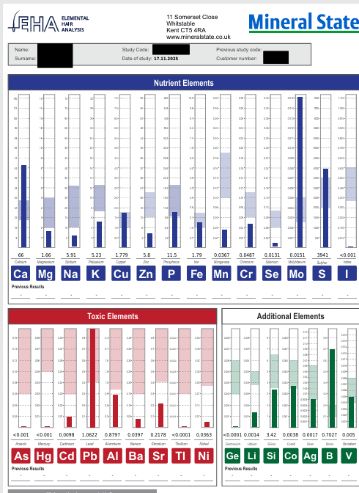
The results highlighted several findings:
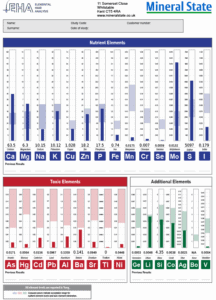
- Significantly elevated hair calcium
- Low magnesium, zinc and manganese
- Low sodium and potassium
- An elevated lead level
- Several imbalanced mineral ratios
These findings gave us areas to investigate further, particularly in relation to nutrition, growth and nervous system health.
He had also experienced a significant growth spurt, a time when the body’s nutritional requirements increase considerably.
Our Approach
Rather than focusing solely on the behavioural symptoms, we took a broader approach to supporting his health.
We introduced a carefully considered programme of nutritional supplementation and dietary recommendations, with particular attention to providing the nutrients needed for healthy growth, brain development and nervous system function.
We also focused on supporting nervous system regulation, recognising that a child experiencing anxiety and sensory overwhelm needs support beyond nutrition alone.
The aim was to help him feel calmer, more resilient and better able to cope with the demands of everyday life.
The Results — A Remarkable Improvement
The changes reported by his family have been incredibly encouraging.
He is now:
- Much calmer, with noticeably less emotional reactivity.
- Coping better with everyday challenges, rather than becoming overwhelmed so easily.
- Experiencing calmer mornings, making the start of the day much less stressful for the family.
- Managing school transitions far better, including the significant challenge of moving to a new school.
- Generally happier and more settled, with improved emotional resilience.
For a family who had previously been dealing with considerable anxiety and distress around school, these changes have been hugely significant.
And perhaps most importantly, he is now better able to enjoy his childhood and approach new experiences with greater confidence.
Why This Case Matters
Over my 25-plus years working in nutritional therapy, I have supported many children experiencing anxiety, emotional dysregulation, sensory sensitivities and difficulties coping with school.
There is rarely one simple explanation for these challenges. Neurodevelopmental differences, environmental pressures, growth, sleep, nutrition and nervous system regulation can all play a part.
Hair mineral analysis can provide additional information about mineral exposure and patterns that may be worth exploring alongside a child’s symptoms, diet and wider health history.
In this case, identifying potential nutritional priorities and introducing targeted support formed part of a wider approach that coincided with meaningful improvements in the child’s everyday life.
Sometimes the biggest success isn’t a change in a test result. It’s a child who feels calmer, a parent who no longer dreads the school run, and a family who can enjoy their mornings together again.
This case study has been anonymised to protect the child’s identity and is shared with parental permission. Individual experiences vary. Hair mineral analysis cannot diagnose ADHD, dyslexia, nutritional deficiencies or lead poisoning, and improvements cannot be attributed to any single intervention.